The prints that sell at a stall are the ones people can pick up, understand in a second and carry home. Here are the ones we would put on a table, and how to price and show them.
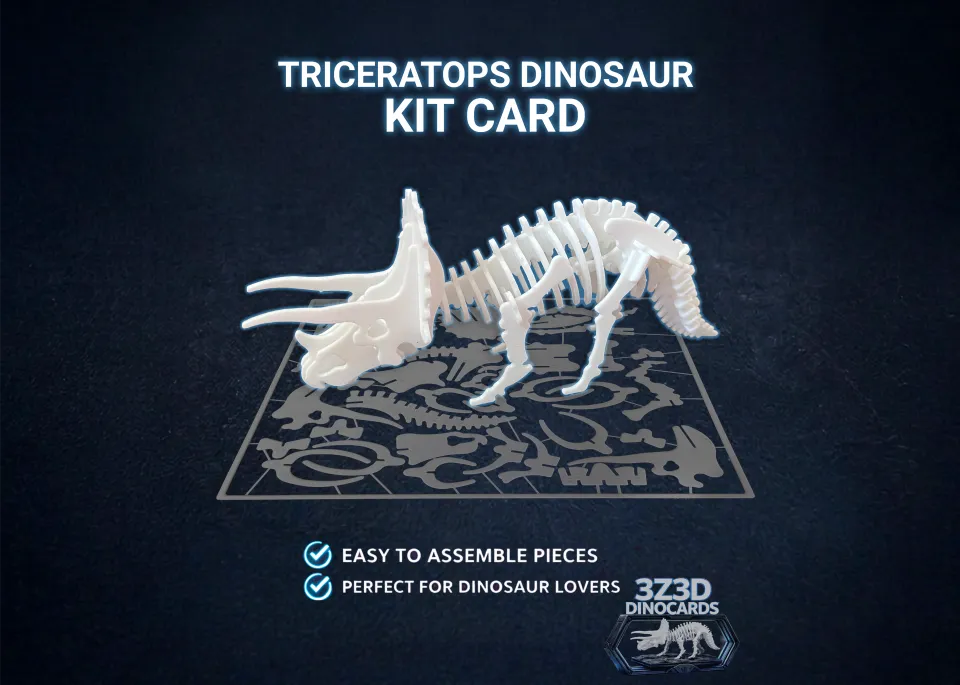 Triceratops Kit Card
Our most printed model: a dinosaur kids build on the spot
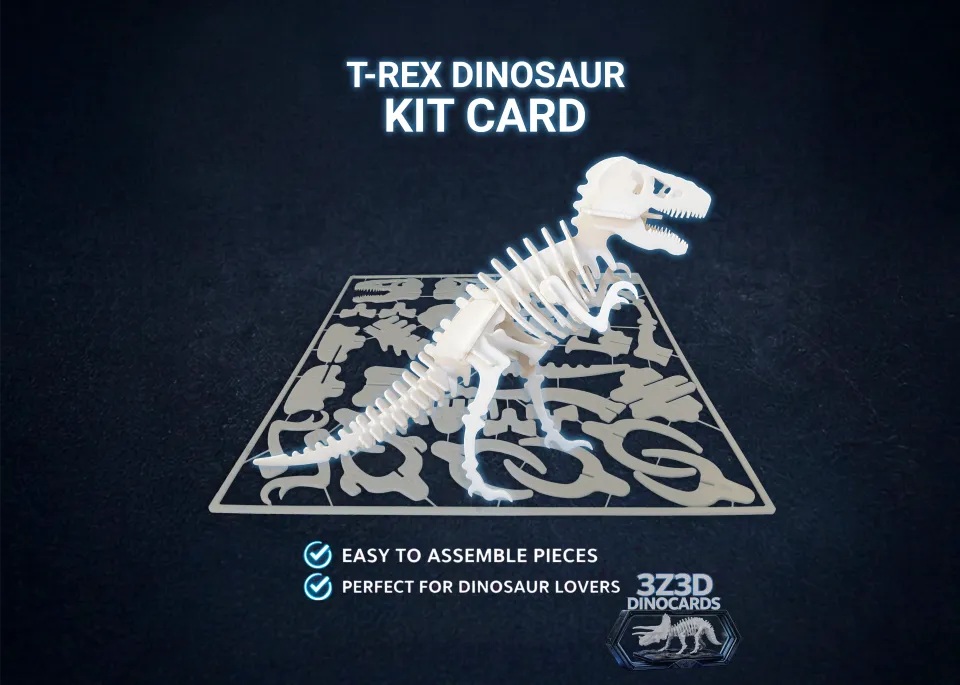 T-Rex Kit Card
Everyone knows it, everyone wants it
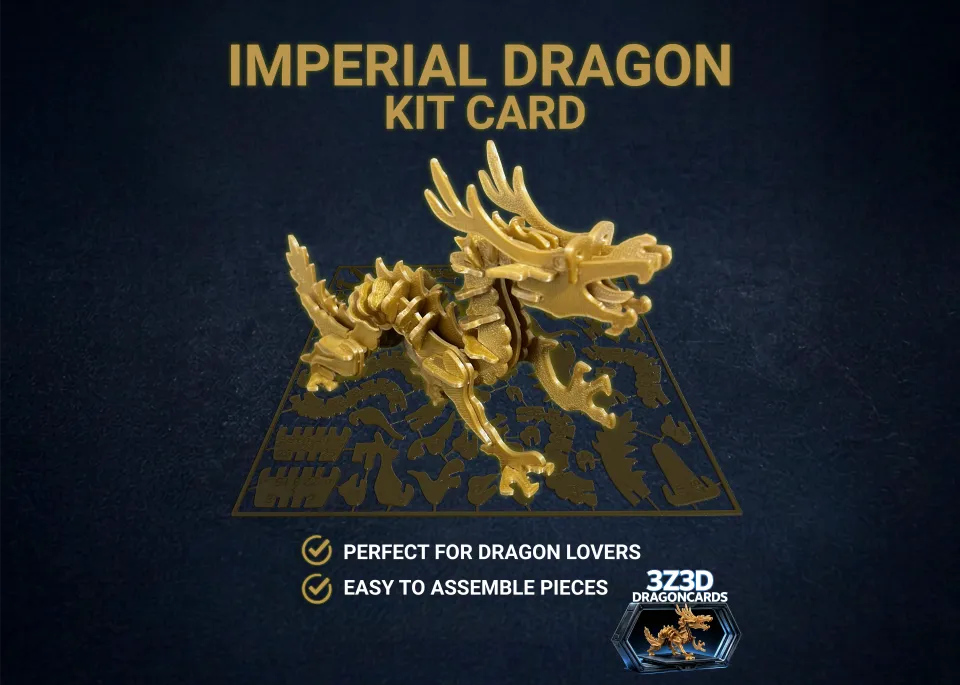 Imperial Dragon
Striking in gold or silk filament
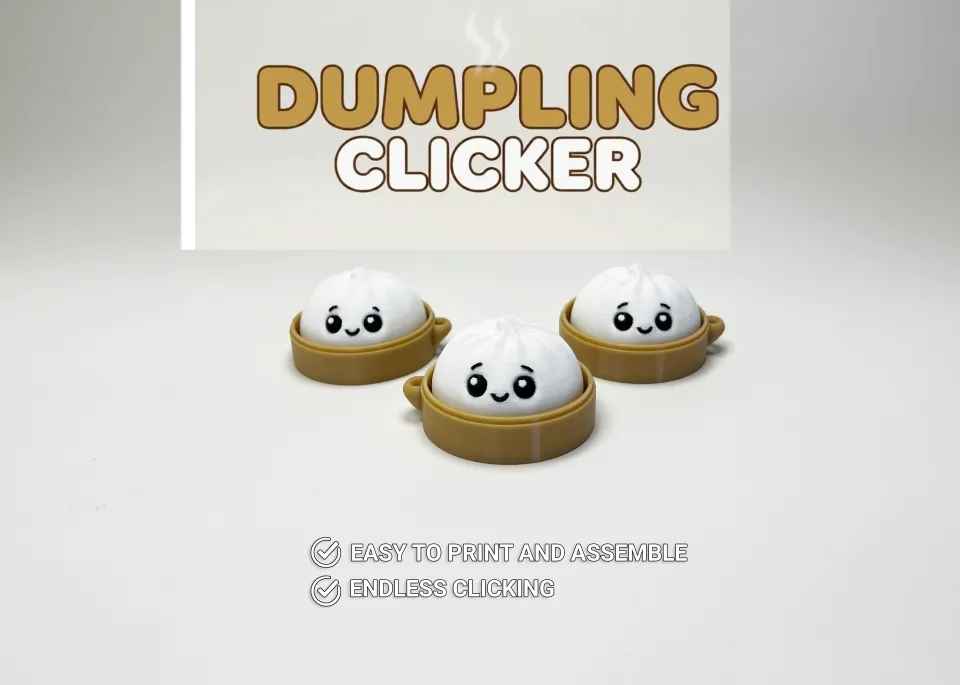 Dumpling Clicker
Small, cheap and fun: an impulse buy
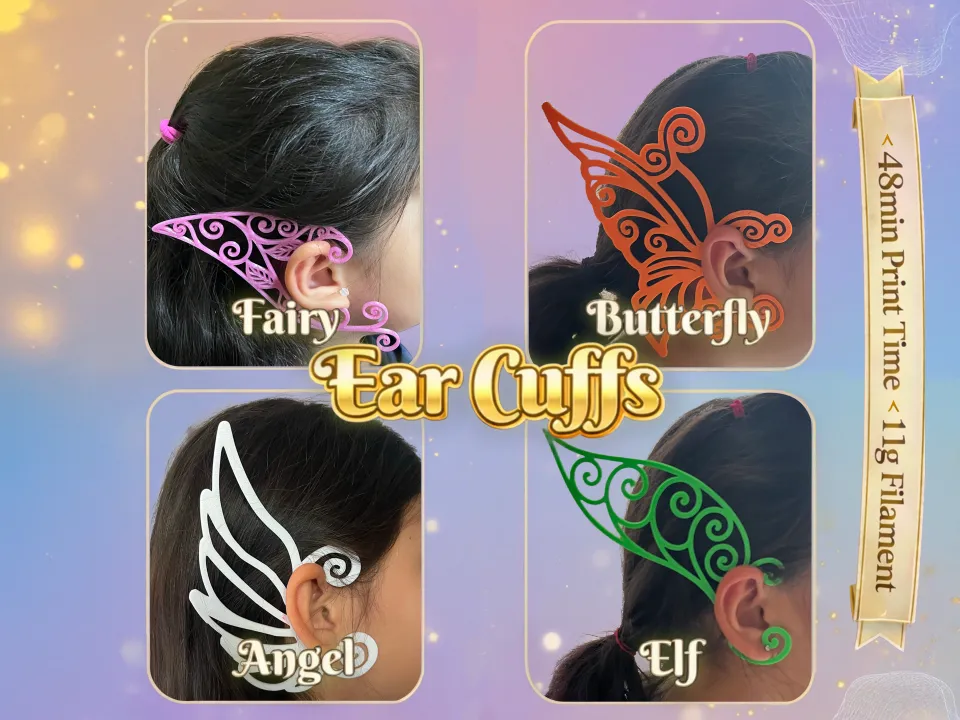 Ear Cuffs
Light, fast to print, try-on-able
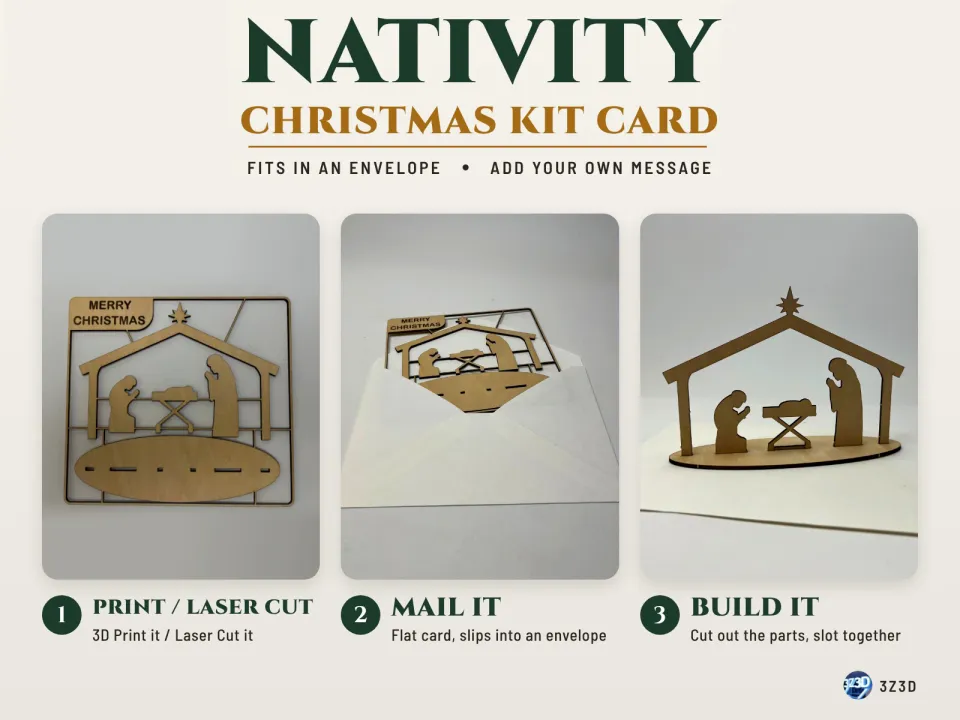 Mailable Nativity
A Christmas card that becomes a gift
What makes a print sell at a stall
- People get it in a second. A dinosaur, a dragon, a fidget: nobody needs it explained.
- It is light and flat. Kit Cards slip into a bag, so buyers don't have to carry anything bulky around the market.
- It has a build or a click. Something to do with it, like slotting a dinosaur together or clicking a fidget, turns a look into a sale.
- It is quick to print. Most of our Kit Cards print in about 2 to 2.5 hours on one plate with no supports, so you can restock between markets.
The best sellers, by kind
Build-by-number Kit Cards
Flat cards with numbered pieces that slot into a standing model. Show the flat card next to a built one, and kids will want to build it right there. Start with the DinoCards, then add BugCards, DragonCards and VehicleCards.
Clickers and fidgets
Cheap to make and easy to grab at the till. A bowl of clickers by the cash box works like the candy at a supermarket checkout. Each needs a keyboard switch, so count that in your cost.
Wearables
Ear cuffs and hair pins in fairy, elf, angel and butterfly styles are a good fit for craft fairs, costume events and school fairs. A mirror on the table helps people try them.
Seasonal prints
For Christmas markets: ornaments, nativity scenes and gingerbread houses. Plan a few weeks ahead so your stock is printed before the season starts.
How to price them
Count the filament, the electricity, failed prints, packaging and your own time, then add a markup. Our 3D print price calculator does it for you and has our models built in. As a guide, a 230 mm Kit Card uses about 46 to 60 g of filament, roughly $1 of PLA.
How to set up the table
- Show it built. One built model on a stand sells more flat cards than a pile of cards alone.
- Bag and label it. A clear bag and a printed label with the model's name make it look like a real product.
- Bundle. Three dinosaurs for one price, or a flat card plus a built model as a gift.
- Take cards and QR payments as well as cash.
- Start small. One market, 10 to 20 items, a few designs. See what people pick up before you print more.
Are you allowed to sell them?
Most models on MakerWorld and other sites are for personal use only, so check each model's license before you sell prints. Our Commercial License covers every model marked Exclusive on our MakerWorld profile: Local ($5 a month) for markets, craft fairs and school fairs, Online ($15 a month) for Etsy and other online shops. Fan-art models, based on characters other companies own, are never covered.
Questions
What 3D prints sell best at craft fairs?
Things people understand at a glance and can carry home: build-it-yourself kits like Kit Cards, small fidgets and clickers, wearables like ear cuffs, and seasonal decorations.
How much should I charge for 3D prints at a market?
Add up filament, electricity, failed prints, packaging and your time, then multiply by a markup of about 2 to 3 times. Our price calculator does the sums.
Do I need a license to sell 3D prints?
If you didn't design the model, you need the designer's permission. Many free models are for personal use only. Our Commercial License covers our Exclusive models.
Can kids sell prints at a school fair?
Yes. Selling in person, like at a school fair, is covered by our Local license. A parent or guardian signs up for the membership.